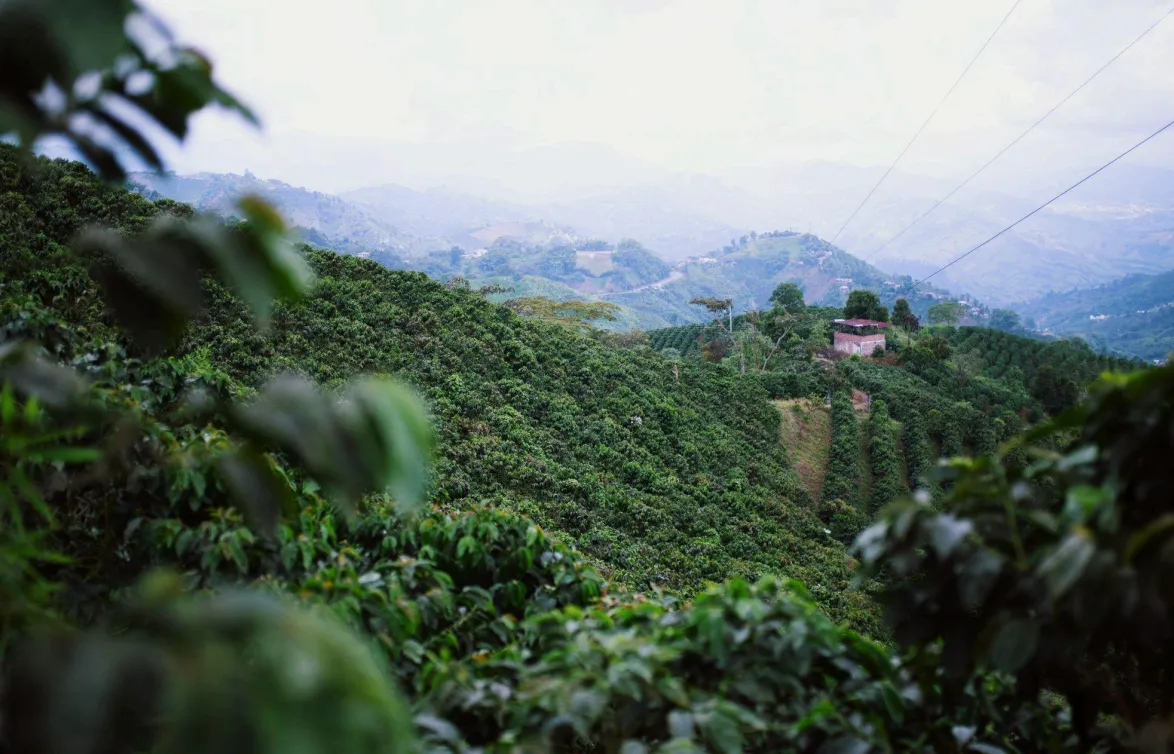
Colombia · Nitro Infused Co-ferment, Sequential Washed
Finca Milan Watermelon
Watermelon Co-Ferment
Tasting notes
- Origin
- Colombia
- Producer
- Julio César Madrid Tisnés and Julio Andrés Quiceno
- Process
- Nitro Infused Co-ferment, Sequential Washed
- Altitude
- 1,500 MASL
- Roast level
- Light
- Brew methods
- Espresso, Filter, Flat White, Moka Pot, v60
About this coffee
This lot comes from Café Uba, a coffee project built around two producers, Julio César Madrid Tisnés and Julio Andrés Quiceno, who work across four farms in the coffee growing hills of Risaralda and Caldas. Their work covers growing, processing, and roasting, and they treat fermentation as a craft worth developing in house rather than sending out. That hands on approach is what makes a coffee like this Caturra Nitro possible.
The coffee grows at Finca Milán, in the village of Betulia, Arabia township, outside Pereira. The farm has grown coffee since 1982, and its processing center sits inside a building that dates back to the 1950s. Instead of tearing it down, the team built a new specialty focused facility around the original walls and beams, with room to process 20,000 kilos of cherry a day. Finca Milán protects three natural water springs and keeps corridors of native guadua bamboo running through the property, alongside varieties like Castillo Naranjal, Caturra, Colombia, Supremo, Pink Bourbon, and Catiope.
Finca Milán sits in Risaralda, part of the coffee growing heart of Colombia that also takes in Dosquebradas, Santa Rosa de Cabal, and Manizales. Café Uba runs its full operation across this area, from four farms through a dry mill, a processing station, a roasting center, and a cupping and barista lab, with quality as the throughline connecting each step from seed to cup.
This lot uses the Nitro process, Café Uba's own take on fermentation. The coffee ferments inside a bioreactor along with fruit must, starter cultures, and culturing lixiviates, while the oxygen inside gets replaced with nitrogen to create a modified atmosphere around the beans.
The team tracks temperature, pH, and Brix levels throughout to keep the fermentation inside a defined range. Watermelon is part of the co-ferment on this lot, and it shows up clearly in the cup. After fermentation, the coffee dries on raised beds for 25 days, then finishes with five days of mechanical drying.
Café Uba backs this work with outside research. Along with Cenicafé and Universidad de los Andes, the team published a study on the fermentation methods developed at Finca Milán, looking at how starter cultures change the microbial community during fermentation and the cup that results.
Share this coffee
More from the roast list
Colombia · Anaerobic Co-Ferment
Finca Milan Tangerine
Mandarin Orange · Orange Blossom · Milk Chocolate
From$21.00
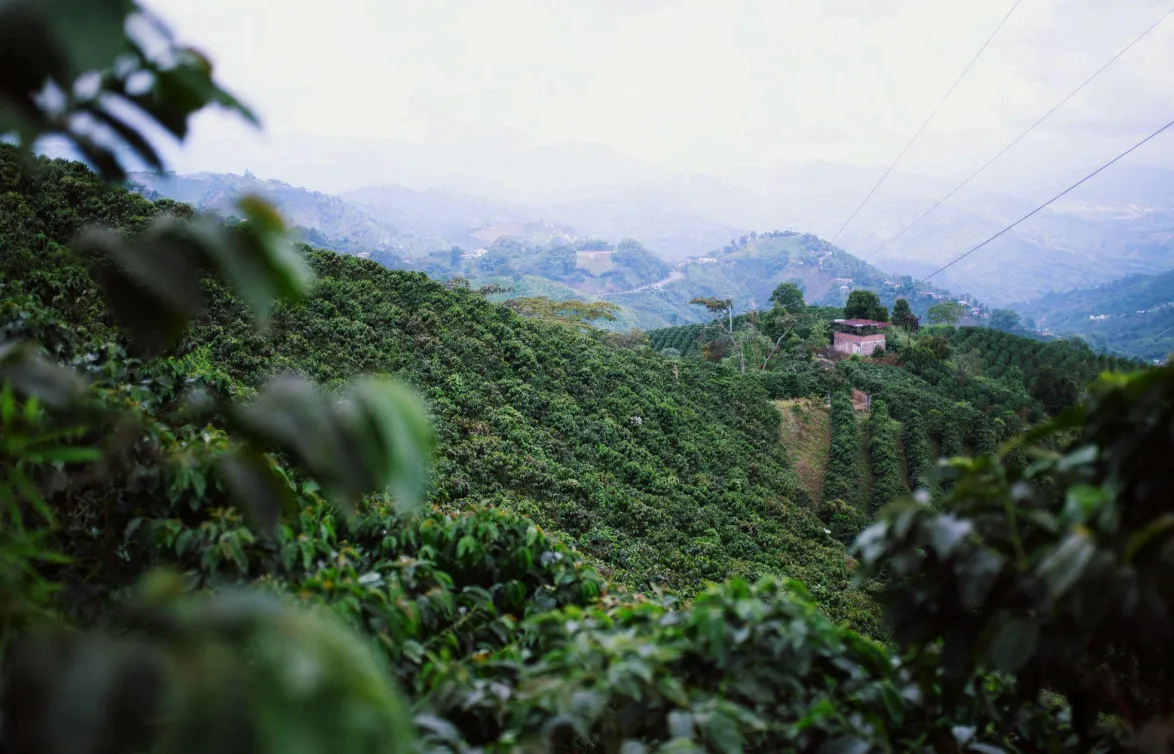
Colombia · 100-120 Hour Logan Culturing Fermentation
Finca Milan Logan
Tropical Fruit · Banana · Raspberry · Earl Grey Tea
From$21.00
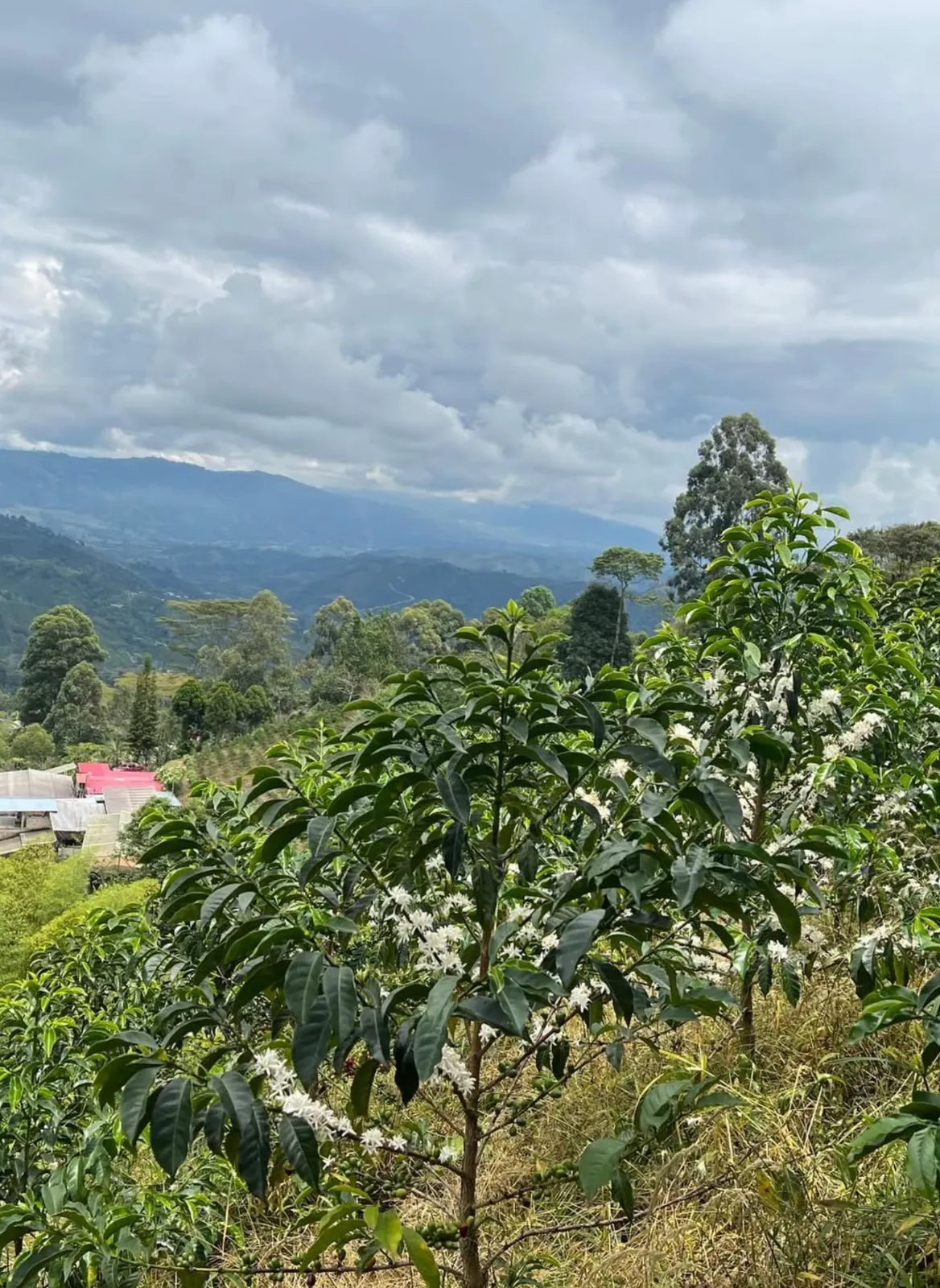
Colombia · Natural Anaerobic Fermentation
El Diviso Sidra
Red Wine · Cran-Raspberry Juice · Cacao · Bright
From$24.00

Blend · Washed & Natural
Lucky Blend
Black Tea · Sweet · Strawberry Jam · Milk Chocolate
From$20.00